
500 E. Ridge Road, Suite 202
Griffith, IN 46319
(866) 972-1155
fax: (219) 972-6314

transfer facilities
Transfer Facilities are buildings where waste is deposited between the collection and disposal. Many municipalities are reducing the number of active landfill across the United States. In order to reduce emissions and the distance that waste collection vehicles need to travel to dispose of trash, transfer facilities are used.
After garbage trucks collect trash from the curbside, they drive to a local transfer facility to dump the trash on the tipping floor. Vehicles, such as loaders or excavators, are used to place the trash into larger trucks to transport to landfills for final disposal. This process reduces costs associated with fuel and maintenance on local collection vehicles, allowing for a healthier fleet and lower resident costs.
There are many different types of transfer facilities. All types of waste need to reach their final disposal location of a landfill. Transfer facilities are used for municipal solid waste, hazardous waste, yard waste, construction & demolition waste, and recyclables.
There are four main sections of a transfer facility including:
- Overhead Doors
- The large overhead doors allow collection vehicles to easily enter the open style transfer facility and dump their load of trash onto the tipping floor
- Tipping Floor
- The specially designed and constructed tipping floor is a completely open area of the transfer facility. Collected trash is dumped onto the floor so loaders or bulldozers can push the load into the waiting truck in the pit.
- Pit
- The pit is a lowered area of the transfer facility with a ramp for trucks to enter. Open top trucks wait in the pit until they are filled with trash from the tipping floor. Once the truck is full, the trash is transported to a landfill.
- Scale House
- The scale house is used to weigh incoming vehicles (for facilities open to the public) and waste collection trucks. The vehicles are weighed on their way into and out of the facility.
- Incoming personal vehicles are weighed to obtain the weight of the vehicle with the disposal items included, the disposal items are dropped off at the deposit area of the transfer facility, and the vehicles are then weighed when the disposal items have been removed. Many transfer facilities have rates for disposal items dropped off based on their weight. The difference in weight of the vehicle when leaving determines the cost of the disposal items dropped at the facility.
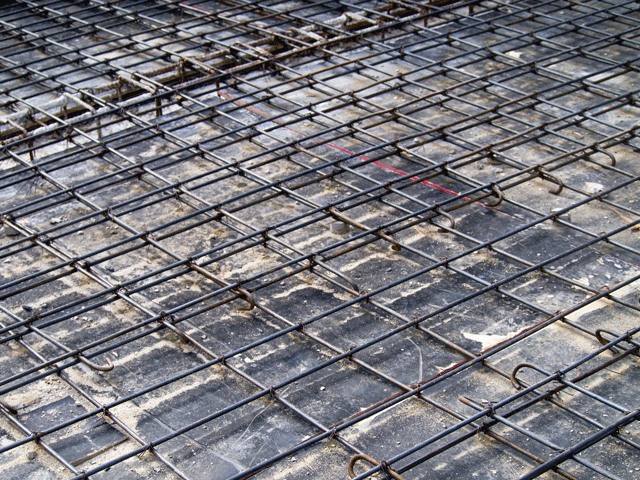
Wire Mesh Reinforcement (before concrete pour) of Tipping Floor
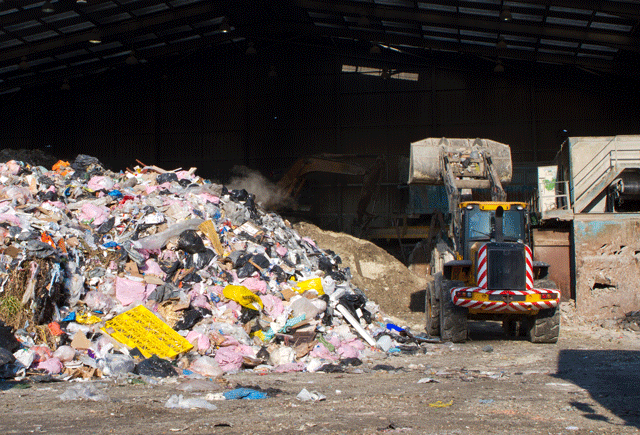
Loader or Excavator Moving Trash from Tipping Floor to Pit for Transport to Final Disposal at Landfill
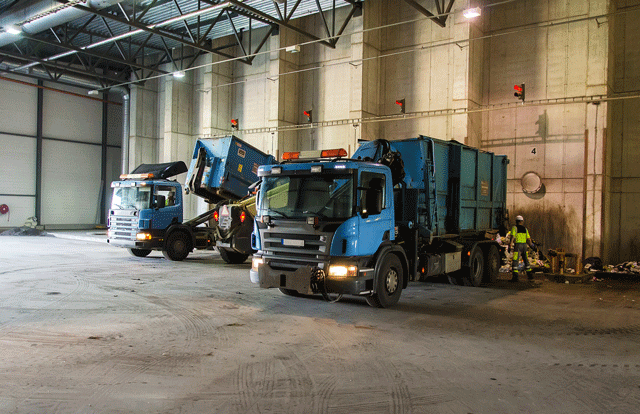
Garbage Truck Load Being Dumped on Tipping Floor
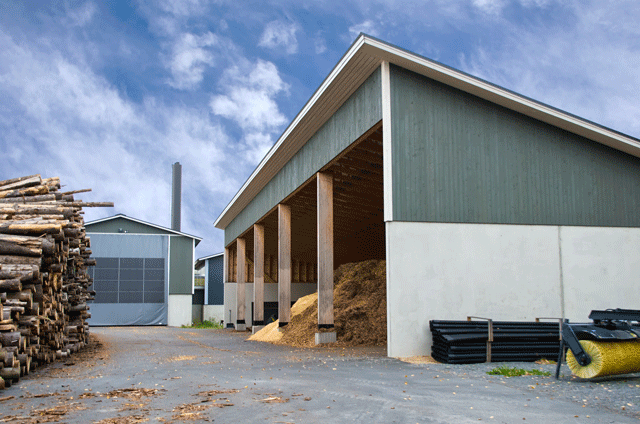
Overhead Doors of Transfer Station
- Dumpster trucks are weighed on their way in and out of the facility as well. Waste collection companies pay to have trash disposed of at landfills. The weight of the dumpster truck when it is leaving (minus the initial weight taken of an empty truck) is used to determine the amount of fees the waste collection company will pay to have the trash disposed of at the landfill.
All of these sections are necessary in a transfer facility. When building a new facility or maintaining an existing one, these four main sections need to be taken into consideration. In an existing facility, continual maintenance of the overhead doors, tipping floor, pit, and scale house are necessary to keep a transfer facility in operation.
Waste Industry Contractors can assist you in the design and construction of a waste transfer facility.
Contact us today!


© 2015 Waste Industry Contractors, LLC. All rights reserved
Website designed and developed by C. Schutzius

Contact Us
Other Facilities
Shops & Offices
Recycling Facilities
Transfer Facilities